
Garage Door Springs: A Guide to Refresh and Reset
You likely use your garage door multiple times a day without giving it a second thought. You push a button, the heavy door glides open, and you drive right inside. But behind that effortless convenience lies a hardworking component that takes on massive amounts of tension: the garage door spring. These springs are the unsung heroes of your home exterior.
When you neglect your garage door springs, the consequences can be severe. A worn-out spring can fail unexpectedly, trapping your car inside or causing the heavy door to crash down without warning. This creates significant safety hazards for your family and pets. Furthermore, a sudden break often leads to expensive emergency garage door repair bills that could have easily been avoided with basic upkeep.
Fortunately, taking care of your garage door system does not have to be complicated. By performing a regular spring refresh and reset, you can catch minor issues before they become major problems. This post will guide you through understanding, maintaining, and refreshing your garage door springs to ensure maximum longevity and safety.
Understanding Your Garage Door Springs
Before you can effectively maintain your garage door, you need to understand the hardware that makes it function. Most residential garage doors use one of two main spring systems.
Torsion Springs vs. Extension Springs
Torsion springs are mounted directly above the closed garage door, usually sliding over a sturdy metal shaft. These are generally considered the safest and most durable option. As the door moves down, the cables attached to the bottom corners force the springs to wind up, creating stored energy.
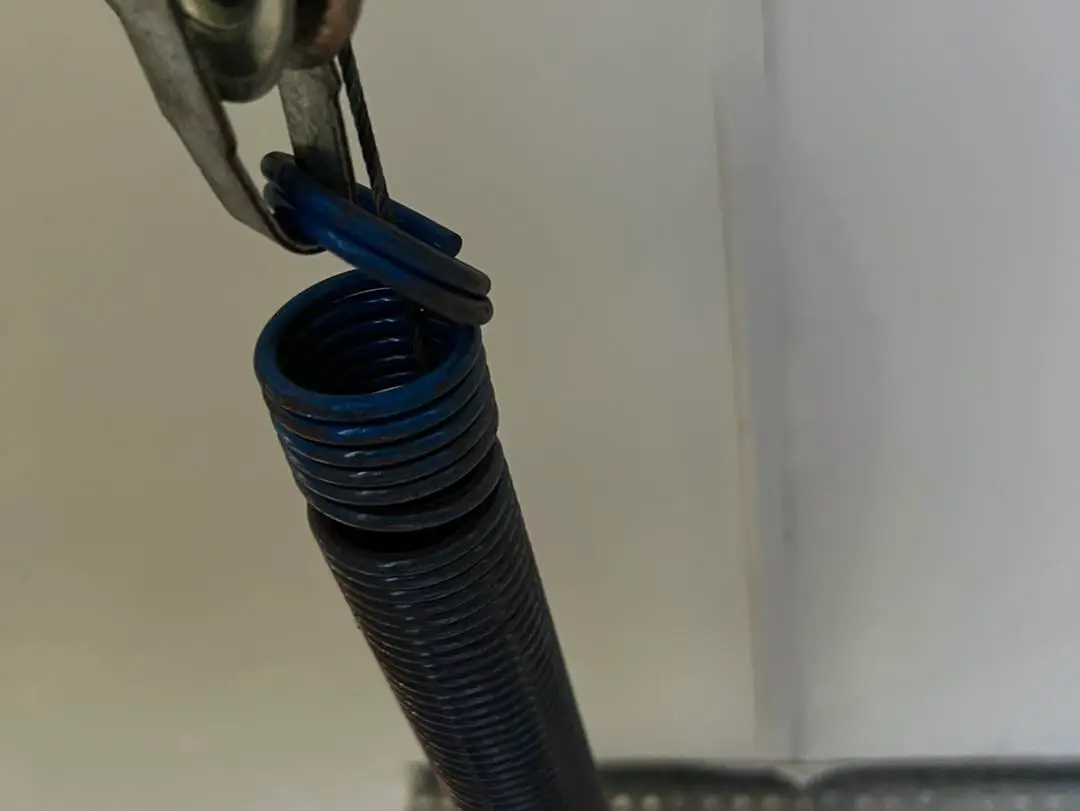
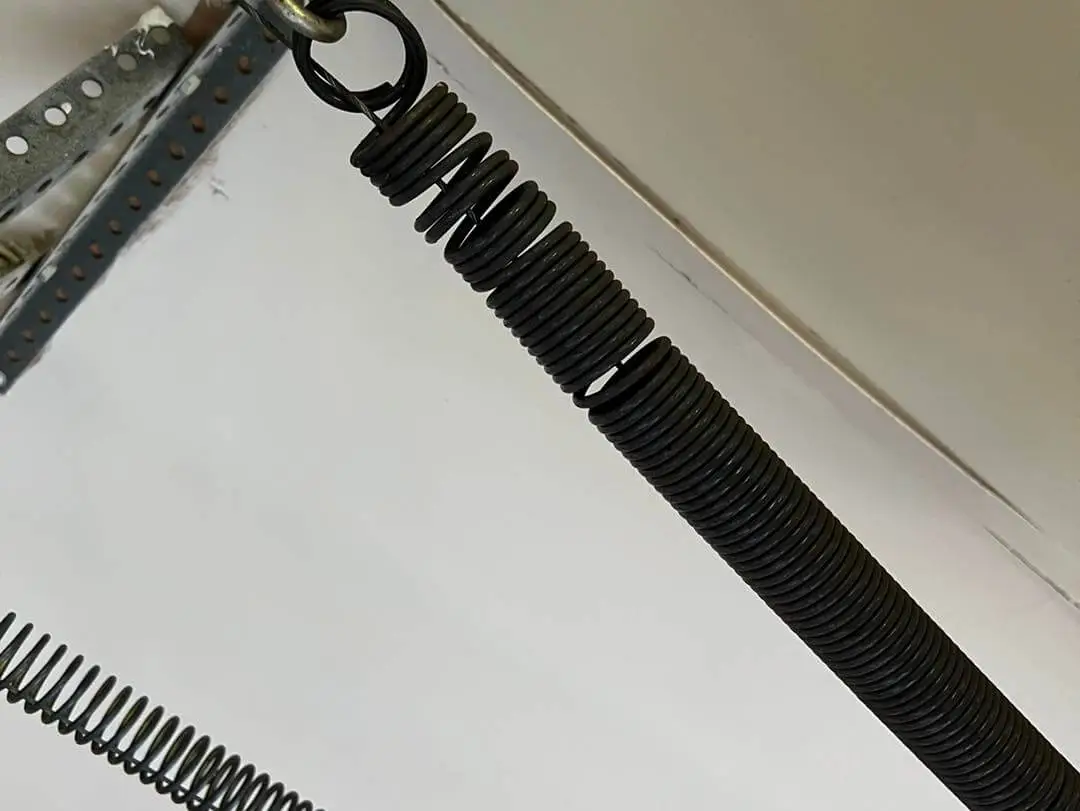
Extension springs, on the other hand, run parallel to the horizontal tracks on either side of the ceiling. They physically stretch out to store energy when the door closes and contract to help lift the door open. Both types of springs serve the exact same primary function: counterbalancing the massive weight of the door so the motor can lift it easily.
The Physics of Tension and Release
Springs do the heavy lifting so your garage door opener does not have to. When the door is fully closed, the springs are under maximum tension. As you activate the opener, the springs release that stored energy, pulling the heavy panels upward. This continuous cycle of immense tension and release takes a toll over time, which is exactly why a maintenance routine is so critical.
Signs of Wear and Tear
Your garage door will usually tell you when it needs attention. Keep an eye out for these common warning signs:
- Visible gaps: If you see a physical separation in the coils of a torsion spring, it is completely broken and needs immediate replacement.
- Uneven opening: If the door struggles to lift, moves slowly, or hangs lower on one side, your springs are likely losing their necessary tension.
- Loud noises: Grinding, squeaking, or sudden loud banging sounds during operation strongly indicate that the springs and cables are struggling.

Why a Spring Refresh and Reset is Crucial
Taking a proactive approach to your garage door maintenance offers incredible benefits for your home and your wallet. Safety is always the primary concern. A properly maintained spring system prevents sudden door collapses, protecting anyone walking or parking underneath.
Regular maintenance also significantly extends the lifespan of your garage door opener. When springs weaken, the electric motor has to pull more dead weight. This added stress burns out the motor much faster. By keeping the springs refreshed, you guarantee a smooth, quiet operation while avoiding the cost of a full system replacement.
DIY Spring Inspection: What You Can Do
You do not need to be a mechanical expert to perform a basic health check on your garage door. A visual inspection takes just a few minutes and can save you from a massive headache down the road.
Performing a Visual Check
Start with the garage door closed and the opener disengaged. Look closely at the springs for heavy rust, deep corrosion, or visible kinks in the metal. If you have extension springs, check for broken steel strands. You should also examine the mounting hardware, pulleys, and cables for any fraying or damage.
The Balance Test
A balanced door means the springs are carrying the weight correctly. Disconnect the door from the automatic opener by pulling the red release cord. Manually lift the door about halfway up and carefully let go. If the door stays in place or moves very slightly, your springs are properly balanced. If the door slams down to the floor or aggressively shoots upward, your springs require immediate professional adjustment.
Caution: Never stand directly under the door while performing this test.
Essential Lubrication
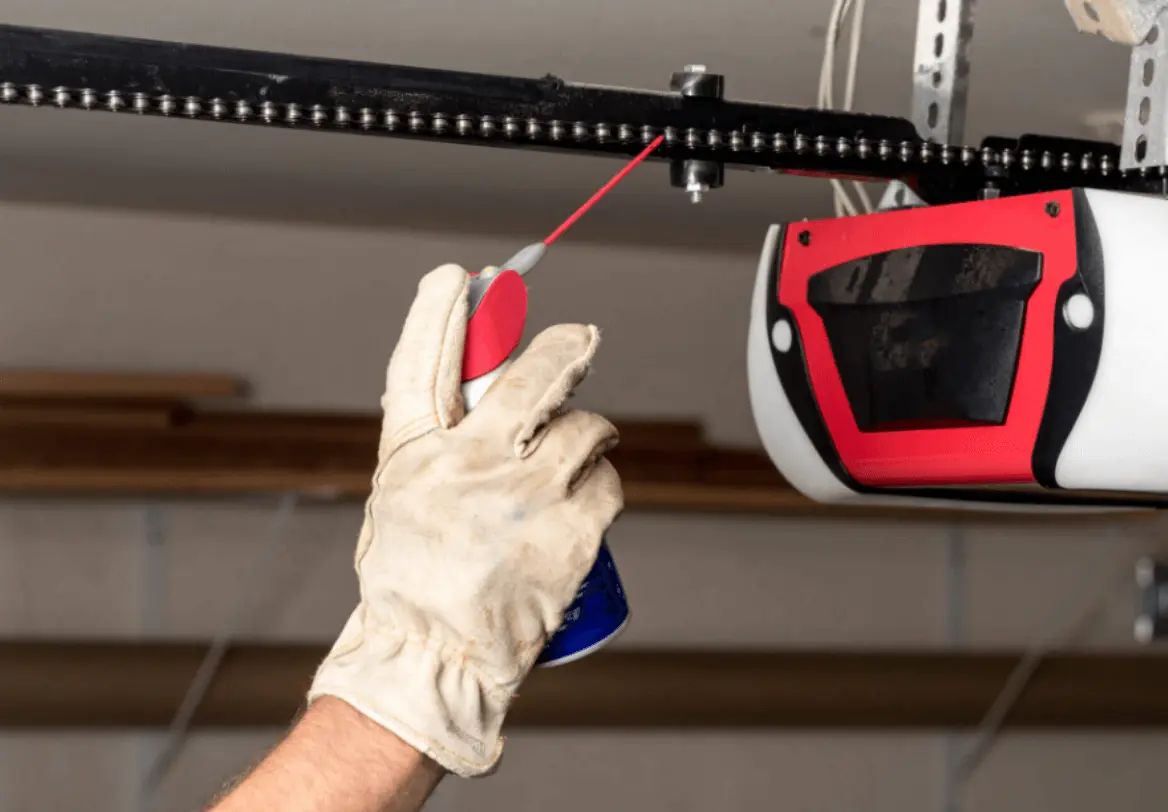
Applying lubrication is a simple act that goes a long way. Friction is the enemy of metal springs. You should lubricate your springs at least twice a year to keep them functioning smoothly.
- Use a high-quality silicone-based spray or white lithium grease. Avoid WD-40, as it acts as a degreaser and attracts dirt.
- Spray a light, even coat directly onto the coils of the springs.
- Open and close the door a few times to distribute the lubricant evenly.

When to Call the Professionals
While inspections and lubrication are great DIY tasks, spring replacement is completely different. A garage door spring holds enough tension to cause serious, life-threatening injuries if it snaps or unwinds uncontrollably.
If you notice a visible gap in your torsion spring or your door completely refuses to open, you have a broken spring. Never attempt to remove, adjust, or replace a high-tension garage door spring on your own.
Instead, rely on professional services. Our qualified technicians can safely handle spring replacement, conduct a thorough cable inspection, and perform a full system tune-up to balance the door. When choosing a professional, look for a fully licensed and insured company with strong local reviews and transparent pricing.
The Reset: Post-Maintenance Care
Once your springs are inspected, lubricated, or professionally replaced, you enter the “reset” phase. This is about establishing an ongoing care routine.
Stick to a regular lubrication schedule, applying silicone spray every six months. Make it a habit to listen for unusual squeaks or grinding noises every time you leave the house. Finally, keep your garage door tracks clean and clear of debris, wiping them down with a damp cloth so the rollers can glide without resistance.
Keep Your Garage Door Running Safely
Your garage door springs work tirelessly every single day. Understanding how they operate, recognizing the signs of wear, and committing to a simple refresh routine will drastically improve the performance of your entire system.
Remember the crucial balance between DIY inspection and professional intervention. Keep the tracks clean and the coils lubricated, but always leave the high-tension adjustments to the experts. A well-maintained garage door spring system ensures lasting convenience, safety, and ultimate peace of mind for your home.
