Lower Your Energy Bills This Winter by Upgrading to Energy-Efficient Garage Doors
Heating bills can skyrocket during winter, leaving homeowners searching for ways to cut costs without sacrificing comfort. While many focus on windows or attic insulation, there’s an often-overlooked opportunity to improve energy efficiency—your garage door. Upgrading to an energy-efficient garage door not only keeps your home warmer but also significantly lowers your utility bills.
This article covers how garage doors impact your home’s energy efficiency, the benefits of upgrading to newer models, what options you have, and how to choose the right one. By the end, you’ll understand why energy-efficient garage doors are a smart investment for winter-proofing your home.
Understanding the Impact of Winter
on Energy Bills
Winter brings cold drafts, increased heating usage, and higher energy consumption. According to the U.S. Energy Information Administration, the average household spends over $1,200 annually on heating. Older or poorly insulated parts of your home—like garage doors—can contribute to significant heat loss, overworking your heating system and driving up your bills.
Garages often serve more than just storage. If your garage is attached to your home, or if it’s used as a workspace or gym, cold air entering through the garage affects the overall temperature. An underperforming garage door can become a key culprit of energy inefficiency.
The Role of Garage Doors in Home Energy Efficiency
While garage doors are not always top of mind when energy-proofing your home, they play a critical role.

Thermal Insulation
A well-insulated garage door acts as a barrier against cold air entering your home.

Air Sealing
Gaps around an old or poor-fitting garage door allow drafts and heat loss.

Energy Flow
Heat can escape through uninsulated garage doors, forcing your HVAC system to compensate, leading to higher heating costs.
Replacing an outdated or uninsulated garage door with a modern, energy-efficient model is a proactive way to lock in warmth and reduce energy waste.
Benefits of Upgrading to Energy-Efficient Garage Doors
Investing in energy-efficient garage doors brings several benefits:

Lower Energy Bills
Insulated garage doors reduce heat transfer, maintaining a stable temperature inside your home and cutting heating costs.

Enhanced Comfort
Reducing drafts keeps cold air out and your indoor spaces comfortable—even the garage!

Improved Home Value
Modern garage doors are an attractive feature for prospective buyers and increase your property’s resale value.

Sustainable Living
Reducing energy use isn’t just good for your wallet. It’s better for the environment too, helping to lower your household’s carbon footprint.

Durability and Longevity
Newer models are designed to withstand tough weather conditions, ensuring they remain effective for years to come

Types of Energy-Efficient Garage Doors Available
When shopping for energy-efficient garage doors, consider these popular materials and designs…

Steel Garage Doors
Steel is a durable and cost-effective option. Many steel doors come with multiple layers of insulation, making them ideal for energy savings.

Wood Composite Garage Doors
These doors combine the aesthetics of wood with better insulation properties, offering both beauty and functionality.

Fiberglass Garage Doors
Known for being lightweight, fiberglass doors are resistant to weather damage and have excellent insulation capabilities.

Insulated Aluminum Garage Doors
Aluminum doors with added insulation are sleek, modern, and efficient, making them popular for contemporary homes.

Vinyl Garage Doors
Vinyl doors are durable, low-maintenance, and insulated effectively to perform well in cold climates.
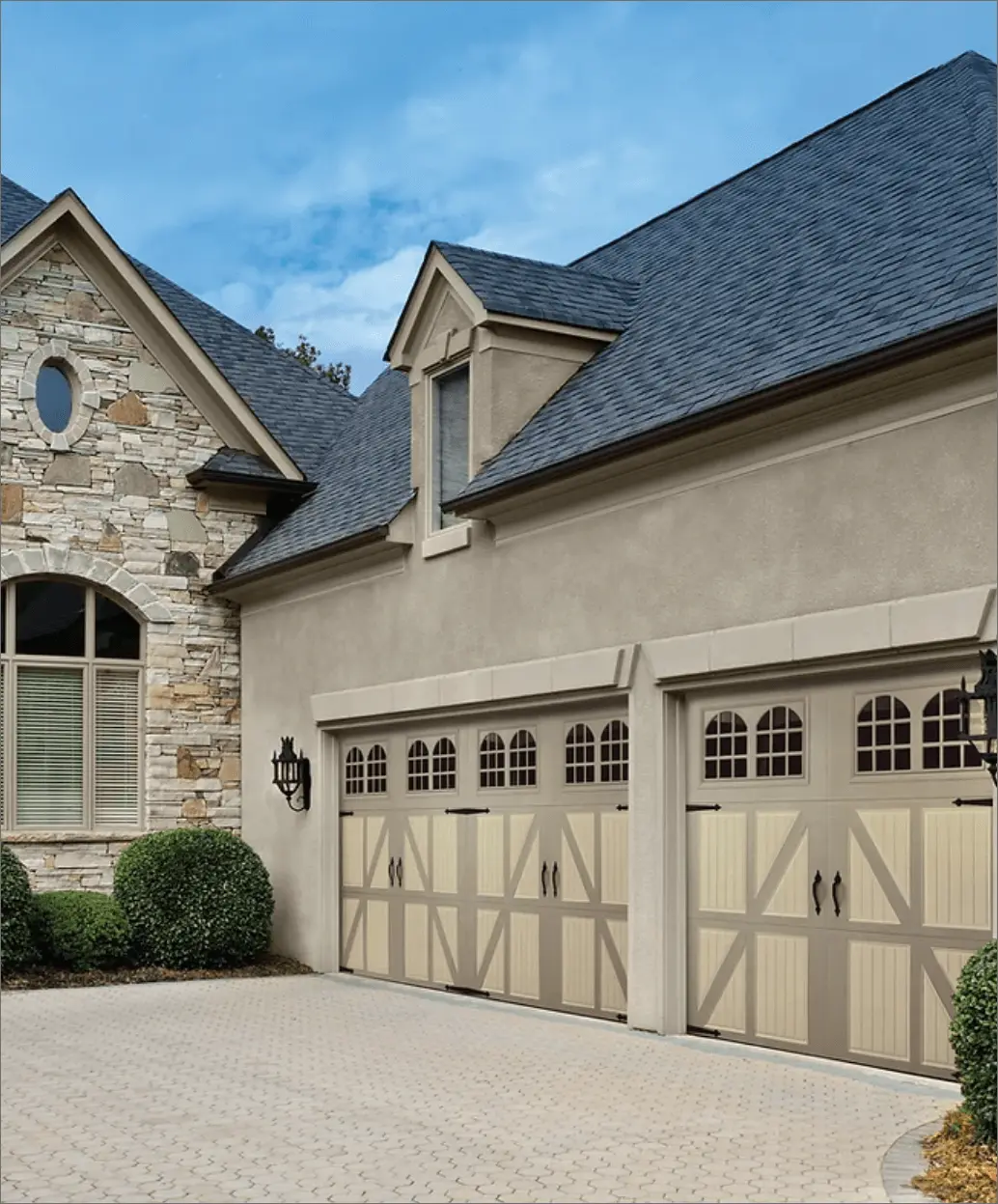
Each option has its advantages, so it’s crucial to choose a door that matches your home’s design, climate, and specific energy-efficiency needs.
Factors to Consider When Choosing the Right Garage Door for Your Home
To make an informed decision, focus on the following factors:

Insulation Rating (R-Value)
Choose a garage door with a high R-value. The higher the rating, the better its insulation properties

Material Durability
Consider how well the material will hold up against strong winds, freezing temperatures, and everyday use.

Garage Usage
If your garage doubles as a workspace or recreation area, prioritizing insulation becomes even more critical.

Design and Aesthetics
Opt for a garage door that complements your home’s look while improving functionality.

Budget and Warranty
Evaluate long-term savings over upfront costs and ensure the product comes with a solid warranty.
Upgrade Your Garage Door and Warm Up This Winter
Don’t underestimate the role your garage door plays in your home’s energy efficiency. Upgrading to a modern, well-insulated garage door can bring comfort, lower energy bills, and increase your property value. Whether you’re looking to reduce heating costs or improve your home’s sustainability, this winter is the perfect time to make the switch.
Curious about your options? Contact our team of garage door experts today for personalized recommendations and get started on your home energy-saving transformation.