
Why Clean Garage Door Safety Sensors Keep Your Family Safer
Dirty or misaligned safety sensors are one of the most common reasons a garage door reverses unexpectedly or won’t close. At Veteran Overhead Garage Doors, we recommend wiping sensor lenses with a soft, dry cloth monthly and checking alignment. If cleaning doesn’t fix the issue, call or text us at (484)680-9065 for a professional inspection.
We’re the team at Veteran Overhead Garage Doors, and if there’s one tip we wish every homeowner knew, it’s this: keep your garage door safety sensors clean. It sounds simple, almost too simple to matter, but these small sensors play a huge role in protecting your family, your pets, and your vehicles every single day.
Garage doors are heavy. When they’re working correctly, we barely think about them. But a door that closes on an obstacle, whether that’s a bicycle, a pet, or a child, can cause serious injury. That’s exactly why safety sensors exist, and it’s why we spend so much time talking to customers about proper sensor maintenance.
Here’s the problem we see most often. A customer calls us, worried their garage door is “broken” because it starts to close and immediately reverses, or it simply won’t close at all. In many cases, the fix isn’t a new motor or a costly repair. It’s a dirty sensor lens or a sensor that’s slightly out of alignment. Before you assume the worst, it’s worth checking the sensors first.
Why Are Safety Sensors So Critical for Your Garage Door?
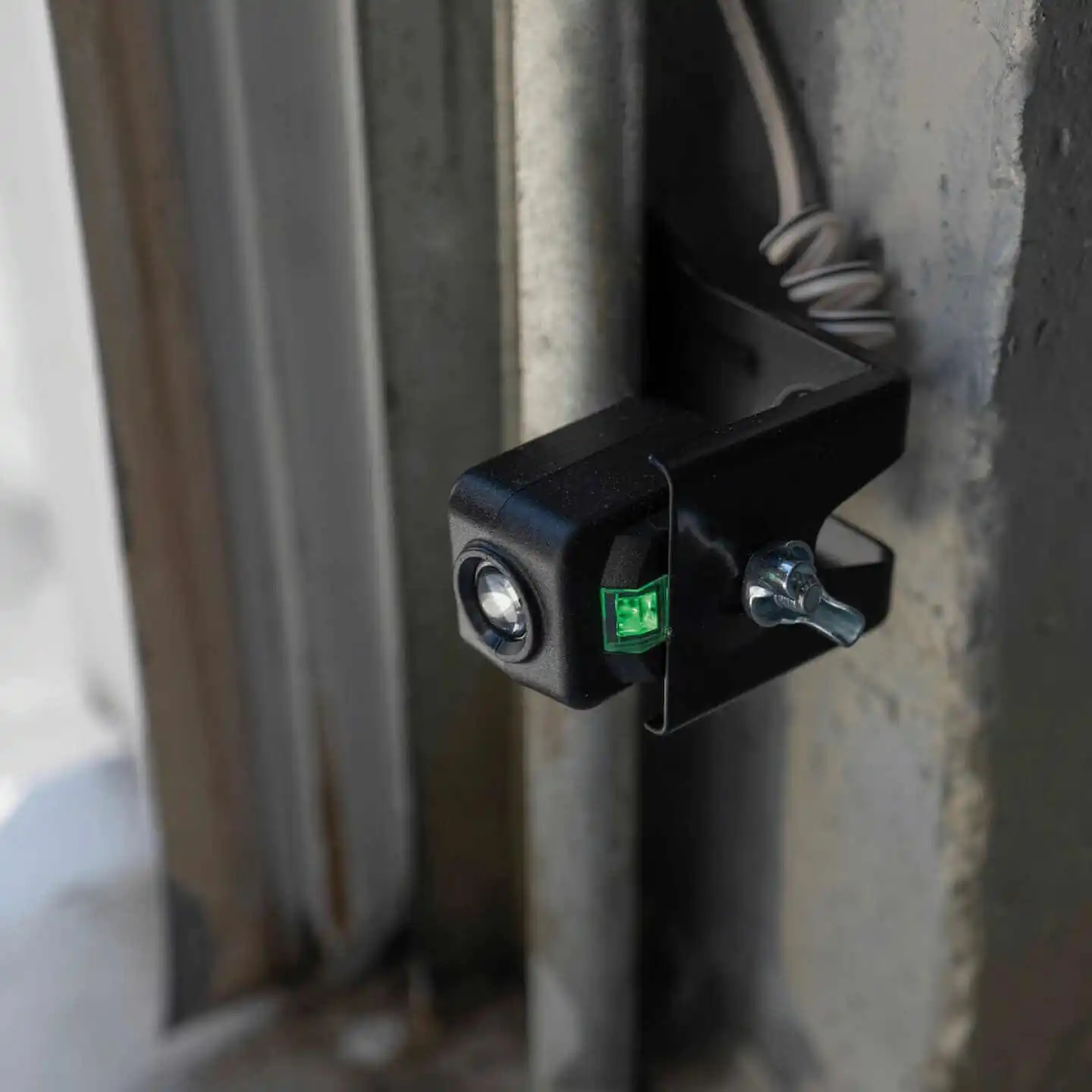
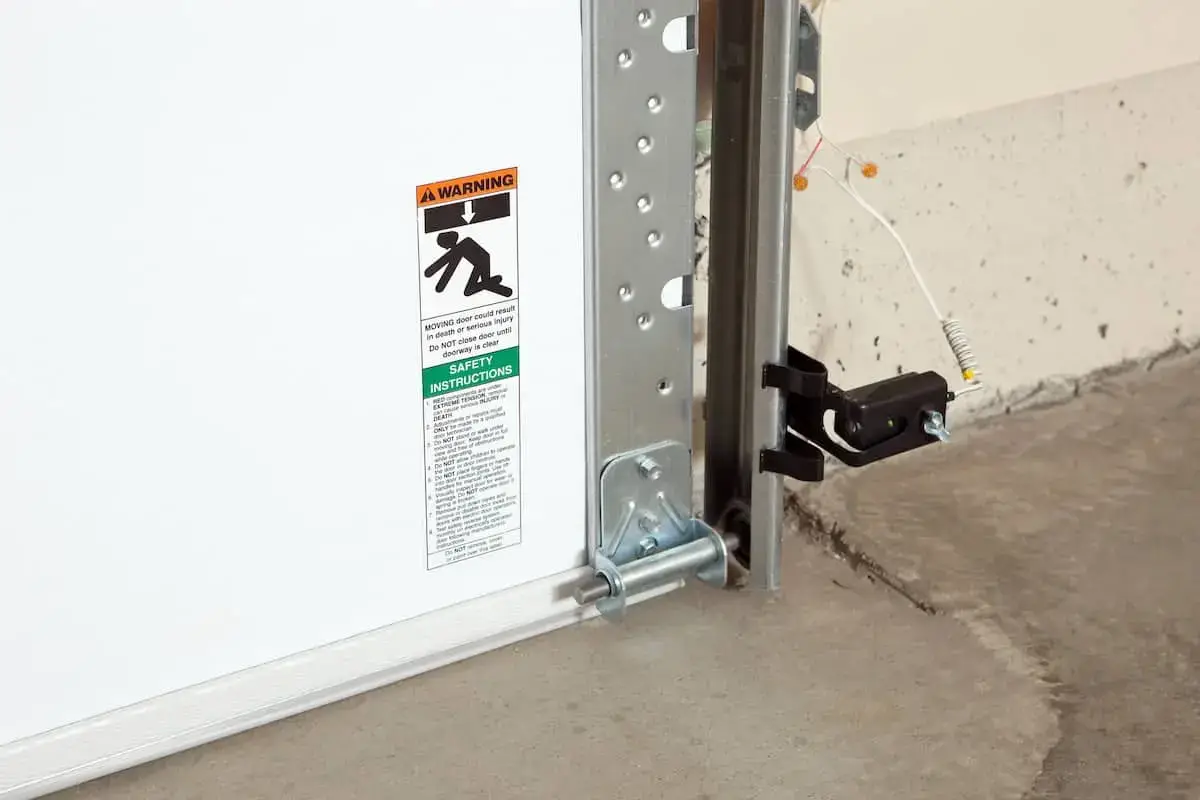
Modern garage door openers use a pair of sensors, often called “electric eyes,” positioned on either side of the garage door opening near the floor. These sensors send an invisible beam between them. When something crosses that beam while the door is closing, such as a child, a pet, or a stray garden tool, the door automatically reverses instead of continuing to close.
This isn’t just a helpful feature. It’s a safety standard. According to the Consumer Product Safety Commission (CPSC), entrapment protection requirements apply to all automatic residential garage door openers manufactured on or after January 1, 1993, for sale in the United States (CPSC, 1992). This rule came from a Congressional mandate in the Consumer Product Safety Improvement Act of 1990, which required openers to include either an external entrapment protection device, like an electric eye or door edge sensor, or a constant contact control button that must be held down to close the door.
Why such a strong regulatory push? Between 1982 and the time of that CPSC release, the Commission had received reports of 54 children between the ages of 2 and 14 who died after being entrapped under garage doors with automatic openers (CPSC, 1992). That statistic is part of why we take sensor maintenance so seriously here at Veteran Overhead Garage Doors. These aren’t optional extras. They’re a core part of keeping your home and family safe.
The CPSC also recommends that homeowners test the reversing feature of their garage door monthly, following the manufacturer’s instructions. If the door fails to reverse when it should, the agency advises adjusting it according to the owner’s manual or having it inspected by a professional (CPSC, 1992). We’d add one more recommendation to that list: check your sensor lenses for dust and debris while you’re at it, since that’s often the simplest explanation for a malfunction.
What Are the Signs Your Safety Sensors Need Cleaning?
Not sure if your sensors are the culprit behind a misbehaving garage door? Here are the signs we tell our customers to watch for.
Your garage door reverses immediately when closing. This is the classic symptom of a sensor problem. If the beam between the sensors is blocked, even by something as small as a cobweb or a layer of dust, the door will treat it as an obstruction and reverse course.
The door hesitates or moves erratically during operation. A door that stutters, pauses, or moves unevenly may be struggling to get a clear reading from one or both sensors.
You notice visible dust or debris on the sensor lenses. Garages collect dust, pollen, sawdust, and all kinds of grime. Over time, this buildup can coat the sensor lenses enough to interfere with the beam, even if you can’t see an obvious problem.
The door won’t close at all, despite multiple attempts. When a sensor is badly misaligned or fully obstructed, some openers will refuse to close the door entirely rather than risk reversing repeatedly.
Many openers include small indicator lights on each sensor. Depending on your model, a steady light often suggests the sensors are aligned, while a blinking or unlit indicator can point to misalignment or an obstruction. Because this varies by manufacturer, we always recommend checking your owner’s manual to understand what your specific indicator lights mean.
How Do You Clean Garage Door Safety Sensors Safely?
Cleaning your sensors is one of the easiest pieces of garage door maintenance you can do yourself, and it takes just a few minutes.
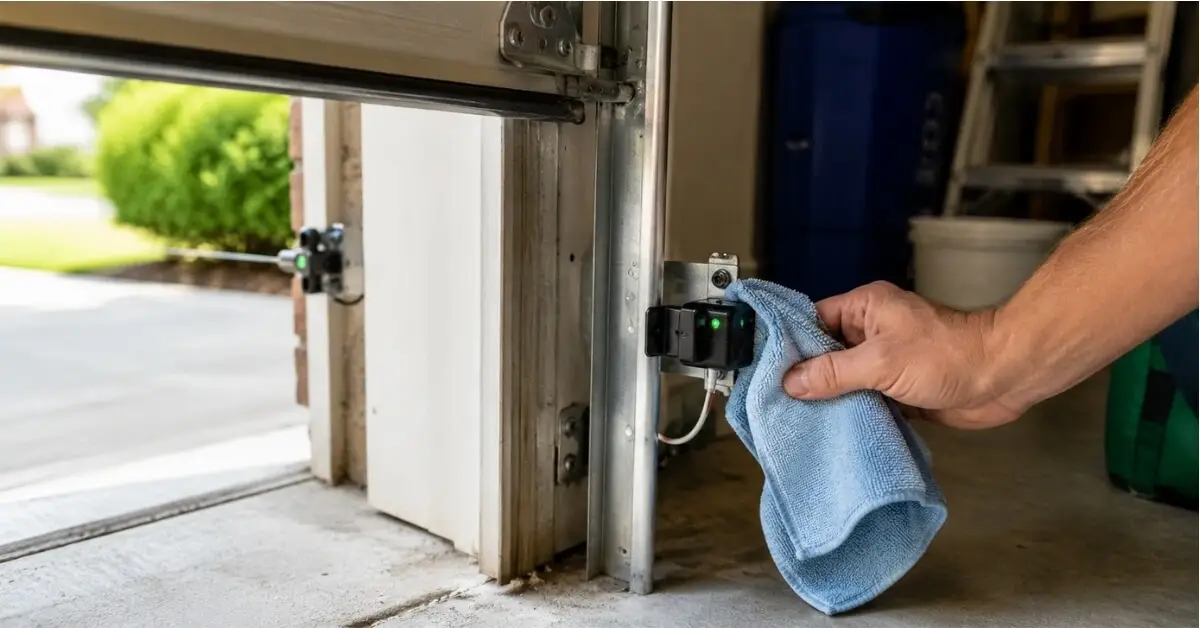
Locate both sensors on either side of your garage door opening. They’re usually mounted a few inches above the floor, facing each other across the width of the door track.
Use a soft, dry cloth to gently wipe each sensor lens. You don’t need to press hard. A gentle wipe is usually enough to remove dust, pollen, or light grime.
Avoid using water or harsh chemicals that could damage the sensors. Cleaning sprays, solvents, and even plain water can seep into the sensor housing and cause more harm than good. Stick to a dry cloth, and if you need more cleaning power, a slightly damp microfiber cloth followed by a dry wipe is usually sufficient.
Check that sensors are properly aligned and facing each other. Over time, sensors can shift due to bumps, vibration, or settling. If one sensor looks tilted compared to the other, that misalignment could be the real issue, even after cleaning.
When Should You Call a Professional for Sensor Issues?
If you’ve cleaned both sensor lenses and the problem persists, misalignment is often the next thing to investigate. Even a slight shift, sometimes just a few degrees, can be enough to break the connection between the two sensors.
Professional technicians, like our team at Veteran Overhead Garage Doors, use precision equipment to realign sensors so they’re reading each other correctly. We also look for underlying causes, such as a loose mounting bracket or wiring issue, that a simple cleaning won’t fix.
Beyond one time repairs, we recommend regular maintenance inspections to catch small sensor issues before they turn into bigger, more frustrating problems. A quick seasonal check can save you from an unexpected garage door malfunction down the road.
If your garage door is reversing unexpectedly, hesitating, or refusing to close, don’t wait for it to become a bigger headache. Contact Veteran Overhead Garage Doors for expert diagnosis and repair.

Keep Your Garage Door Safer, One Clean Sensor at a Time
Clean, properly aligned safety sensors mean a safer, more reliable garage door system for your entire household. This small habit, wiping down your sensor lenses every so often and checking their alignment, goes a long way toward protecting the people and pets you care about most.
Regular maintenance isn’t just about convenience. It’s about making sure your garage door opener works the way it was designed to, protecting your home and loved ones from entrapment hazards the CPSC has worked to prevent for decades.
At Veteran Overhead Garage Doors, we’re here to help with all your garage door needs, from simple sensor cleaning questions to full inspections and repairs. Text or call us at (484) 680-9065 and we’ll get your garage door running safely and smoothly again.
Serving Pennsylvania, Delaware, & Maryland With Premium Garage Door Services
Email: chris@veterandoor.com
Frequently Asked Questions (FAQ)
How often should I clean my garage door safety sensors?
We recommend checking and wiping your sensor lenses at least once a month, especially if your garage collects dust, pollen, or debris. Pairing this with the CPSC’s recommended monthly reversal test is a simple way to stay ahead of problems.
What should I use to clean garage door sensors?
Use a soft, dry cloth to gently wipe the sensor lenses. Avoid water, glass cleaner, or harsh chemicals, as these can damage the sensor housing or lens over time.
Why does my garage door reverse even after I cleaned the sensors?
If cleaning doesn’t resolve the issue, the sensors may be misaligned rather than dirty. A professional technician can realign them using precision equipment to restore a proper connection between both sensors.
Is it dangerous to use a garage door with faulty safety sensors?
Yes. Safety sensors are designed to prevent the door from closing on people, pets, or objects. A malfunctioning sensor increases the risk of entrapment, which is why the CPSC requires entrapment protection devices on all automatic garage door openers manufactured since 1993.
Who should I contact if my garage door sensors still aren't working?
If cleaning and basic troubleshooting don’t fix the problem, contact Veteran Overhead Garage Doors by texting or calling (484) 680-9065. Our technicians can diagnose sensor misalignment or other underlying issues and get your door operating safely again.