
Transform Your Garage: Converting Two Doors Into One Wide Opening
Picture this: you pull into your driveway after a long day, driving your SUV or truck. As you approach the garage, you have to perform that familiar, careful maneuver, threading the needle to get your wide vehicle into a narrow single bay without scraping a side mirror. It’s a tight squeeze, and frankly, it’s a hassle you don’t need.
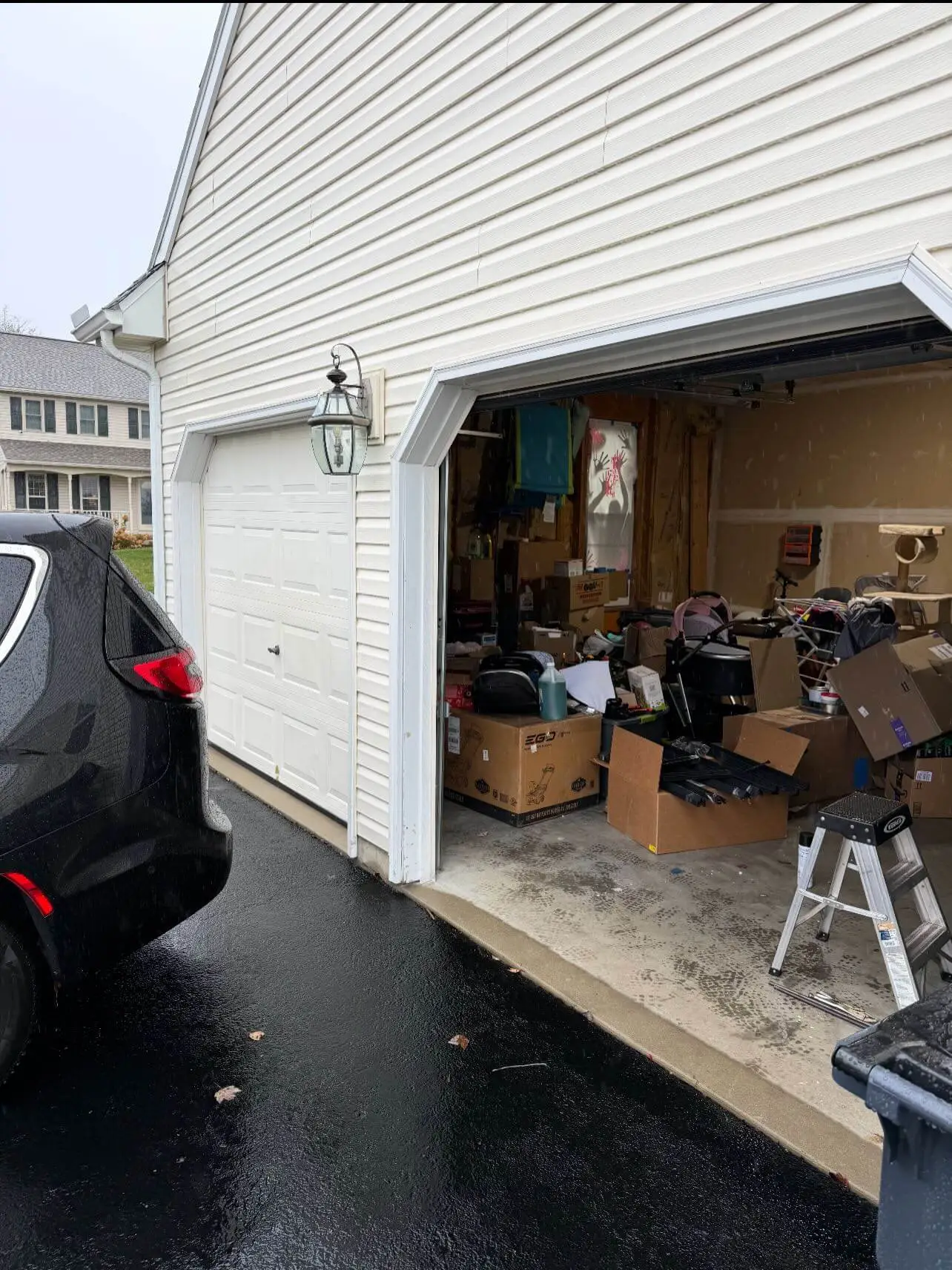
If this scenario sounds familiar, you aren’t alone. Many older homes were built when cars were smaller, and the standard two-car garage with two separate single doors was the norm. Today, with larger vehicles and a desire for more open, accessible space, many homeowners are asking the same question: Can I convert my two garage doors into one double door?
The answer is often yes, and the benefits go beyond just easier parking. A double door conversion can modernize your home’s exterior, improve curb appeal, and make getting sports equipment, lawnmowers, and bulk items in and out of the garage significantly easier. It transforms the functionality of your space, but it is a major structural project. Here is everything you need to know before you start knocking down walls.
Assessing the Structure: The Critical First Step
Before you grab a sledgehammer, you need to understand what is holding your garage roof up. The center pillar between your two existing doors is rarely just decorative. In most cases, it is a load-bearing support that carries the weight of the roof or the floor above the garage.
When you remove that center post, you remove the support. If you don’t have a plan to replace that support, your garage could collapse.
You need to determine the load path. Look at the direction of the joists in the garage ceiling. If they run perpendicular to the doors, the header above the doors is supporting their weight. To span a double-car width (usually 16 to 18 feet) without a center post, you will need a significantly stronger, larger header beam than what is currently there. This isn’t a guessing game; it requires precise calculations regarding roof loads, snow loads (if you live in a cold climate), and the span width.
Planning and Permits
Because this project involves altering the structural integrity of your home, it almost always requires a building permit. You cannot skip this step. Navigating local building codes can feel tedious, but these rules exist to ensure your home remains safe and structurally sound.
Visit your local building department with a sketch of your plan. They will tell you what specifications are required for the new header and the trimmers (the side studs that hold up the header). In many jurisdictions, you may need a stamp from a structural engineer to approve the size of the new beam. Getting this documentation sorted out early prevents headaches later—like having a city inspector shut down your project halfway through.
The Demolition Process
Once you have your permits and a plan, the physical work begins. This isn’t just about knocking out the middle. You have to carefully dismantle the existing systems.
First, safety is paramount. Garage door springs are under immense tension and can cause severe injury if mishandled. If you are unsure how to unwind them safely, hire a professional for this specific step.
- Remove the old hardware: This includes the springs, the horizontal and vertical tracks, and the automatic openers.
- Disconnect electrical: Shut off the power to the garage and cap off any wires running through the center pillar (often used for sensors or keypads).
- Remove the doors: Take down the panels of the existing single doors.
- Remove the center pillar: This is the point of no return. You will strip away the drywall and siding to expose the framing.
- Temporary Support: Before the old header and pillar come out, you must build a temporary wall inside the garage to hold up the ceiling joists. Do not remove any structural members until this temporary support is secure.
Framing and Support
With the center pillar gone and the old headers removed, you are left with a massive opening that needs a new skeleton. This is where you install the new “mega-header.”
For a standard 16-foot double door, you will likely be installing a Glue-Laminated (Glulam) beam, an LVL (Laminated Veneer Lumber) beam, or potentially a steel I-beam, depending on the load requirements. This beam is heavy—lifting it into place usually requires a crew of people or a mechanical lift.
Once the header is up and resting on new, robust trimmer studs at the sides of the opening, the weight of the roof is transferred to the foundation on the far left and right of the garage, rather than the middle. With the beam secure, you can remove the temporary support wall.

Exterior Finishing
Now that the structural heavy lifting is done, you have to make it look like it was always meant to be there.
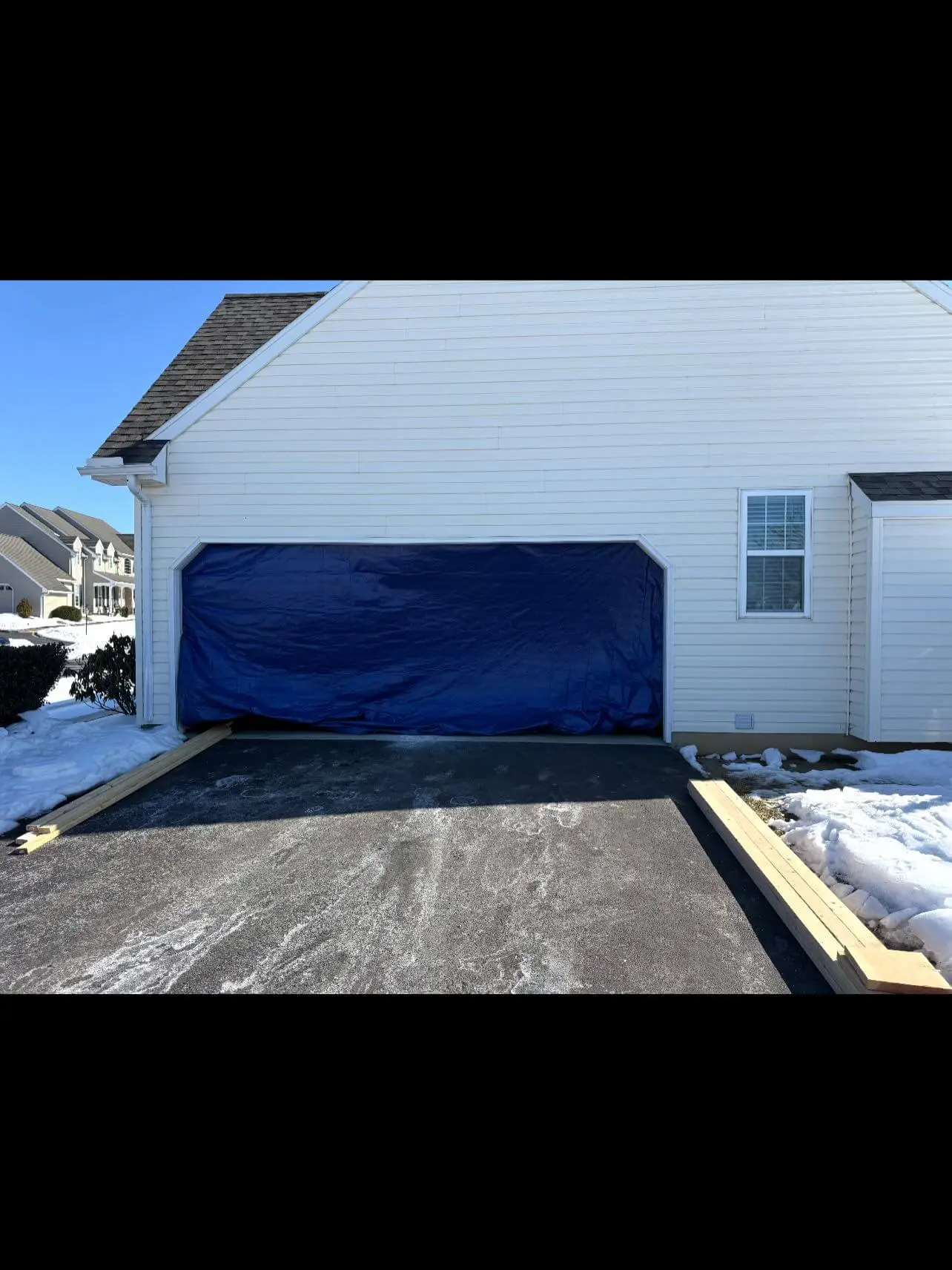
The removal of the center pillar leaves a gap in your floor and your siding.
- The Floor: You will likely have a patch of rough concrete or a bolt hole where the center pillar was anchored. This needs to be filled and leveled with concrete patch so your new door seals properly against the floor.
- The Siding: You will have a gap in the siding above the new header. You will need to patch this with matching vinyl, wood, or brick.
- The Trim: You will install new jambs and weatherstripping around the perimeter of the new large opening.
This is also the perfect time to update your exterior lighting. The old setup likely had lights on either side of the doors or one in the middle. With a double door, consider installing sconces on the far sides of the opening to frame the new wide entrance beautifully.
Expertise You Can Trust
What sets us apart is our commitment to quality workmanship and customer satisfaction. Our technicians undergo continuous training to stay current with the latest garage door technologies and repair techniques.
Veteran Overhead Garage Doors uses only high-quality replacement parts and materials, ensuring that repairs last for years to come. This commitment to quality means fewer callback visits and long-term reliability for your garage door system.
Choosing Your Double Door
This is the fun part—selecting the face of your garage. Since you are moving to a single large door, the style you choose has a massive impact on your home’s visual character.
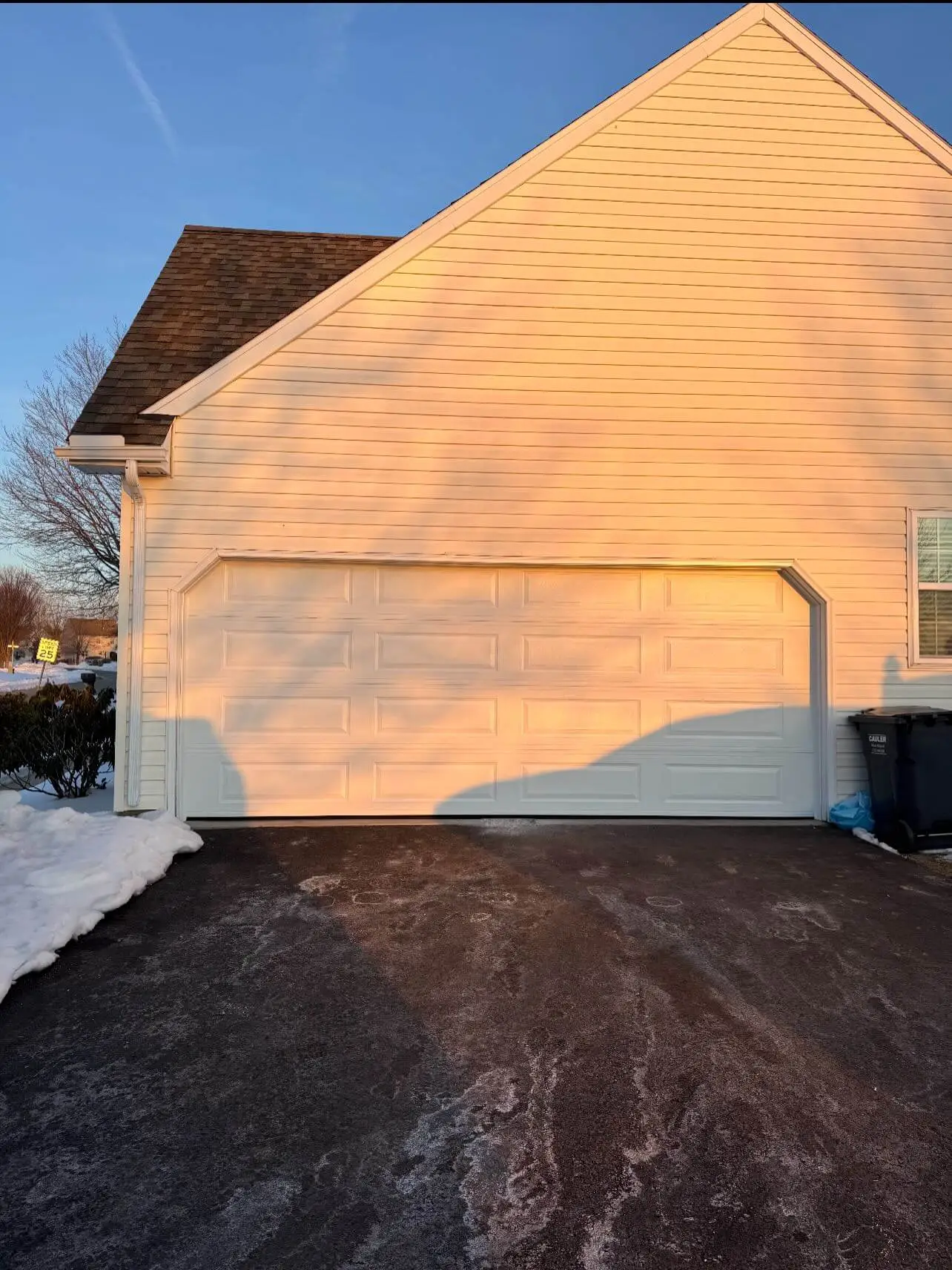
Consider your current exterior palette. If your home features light-colored siding (like cream, white, or light gray) and you have a dark gray asphalt driveway, you have an opportunity to create striking contrast.
- Modern Industrial: A dark charcoal or matte black steel door looks incredible against light siding. It ties in with the dark asphalt driveway, grounding the house visually.
- Classic Carriage House: If you want a softer look, a white carriage-style door with windows can blend seamlessly with the light siding, making the house look wider and more substantial.
- Wood Tones: A faux-wood finish in a medium walnut can add warmth that bridges the gap between the cool gray asphalt and the bright siding.
Don’t forget insulation. A large double door is a big surface area. Choosing an insulated door (look for a high R-value) will help regulate the temperature in your garage and improve your home’s energy efficiency.

Professional vs. DIY: A Reality Check
Is this a DIY project? For the average homeowner, probably not.
While you might be handy with a saw and drill, replacing a load-bearing header involves significant structural risk. If the temporary wall fails, the roof can sag or collapse. If the beam is undersized, you could face long-term structural issues.
The Hybrid Approach: A smart compromise is to manage the project yourself but hire subcontractors for the critical steps. Hire a framing carpenter to install the beam and a garage door pro to install the new door and spring system. You can handle the demolition, permit running, and exterior finishing (siding and painting) to save money.
However, if you are uncomfortable with structural calculations or heavy lifting, hiring a general contractor is the safest investment for your home’s value and your peace of mind.
Investing in Long-Term Value
Converting two garage doors into one is a significant renovation, but the payoff is immediate. You gain functionality, eliminating the daily stress of navigating a narrow entry. You modernize the look of your home, potentially increasing its resale value.
Once your new door is installed, keep it running smoothly with basic maintenance. Because a double door is heavier, listen to the opener, if it strains, the springs may need adjustment. Lubricate the tracks and rollers every six months, and check the weatherstripping before winter sets in. With the right care, your new wide-open garage will serve you beautifully for years to come.